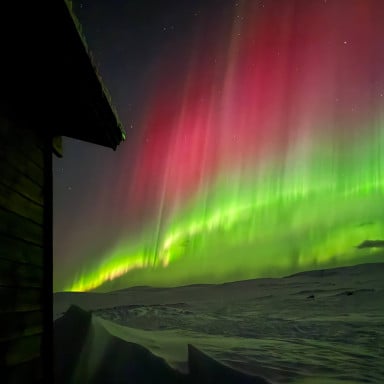



The return of darker nights to Europe means one of nature’s greatest phenomena is once again visible. As early as mid-August, it was possible to see the aurora borealis in skies above the Arctic and northern Nordics. But despite the increasing strength and regularity of sightings, nothing in nature is ever guaranteed. So where is the best place to see the aurora and how should you do it?
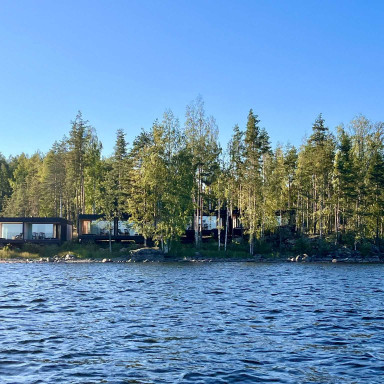
My first sighting of this night sky spectacular was in Finland 15 years ago. Since then, I’ve chased the lights on multiple occasions. Based on my personal success rates, the world’s happiest country is also the number one spot for aurora hunting. And I’m not alone.
In January this year, Finland experienced one of the strongest solar storms on record since 1991, producing vivid and widespread aurora displays across the country. That didn’t happen by chance. Until 2028, we will be experiencing a high-activity peak in the sun’s 11-year cycle, meaning more frequent, intense and colourful displays of the northern lights.

Location also plays an important role. The best places to see the northern lights sit beneath the aurora ovals, two invisible bands that wraps the globe at the geomagnetic poles. This marks the areas where particles from the sun (solar wind) travel along earth's magnetic field lines and crash into gases in the upper atmosphere, causing them to glow. The bands are not fixed but can expand during periods of high activity, extending the range of where the aurora can be seen.
Another important component is clear skies. Cloud cover can obscure even the brightest displays, which is often the reason why so many hunts for northern lights end in disappointment. This is where Finland shines. Compared to its neighbours, the country experiences more cloudless and clear-sky nights.

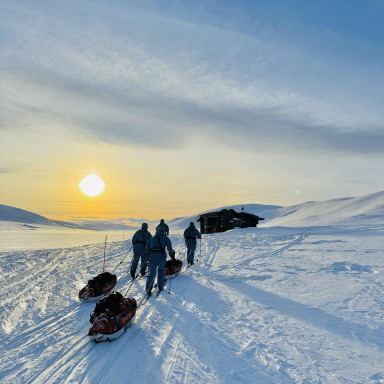
Finnish Lapland, in particular, benefits from an inland, dry continental climate. In Norway, meanwhile, the warm Gulf Stream can cause higher cloud density, while Iceland is subject to more volatile storms. In terms of landscape, Finland’s flat terrain, frozen lakes, and open fells provide wide, unobstructed views of the horizon
Low population density and a lack of disturbing lights also improve sightings. The region has some of Europe's lowest light pollution levels, and many rural areas or ski resorts actively dim streetlights during aurora season.
With a season that lasts eight months – from August to April – there’s plenty of time to book. But to take advantage of the solar maximum’s peak activity, it’s better to book now.