

In this blog, we take you through the best adventures in a different country for every month of the year. From trekking mountains and spotting wildlife to exploring deserts, forests, and historic cities, we know exactly what is worth doing and when. For each destination, we highlight the key experience, give a clear idea of what to expect on the ground, and include the typical weather so you can plan ahead with confidence.
Whatever time of year you’re planning your next adventure for, this simple guide and our country-specific links will give you the best suggestions, including itineraries, essential info, and even packing lists!

January: Finland
Why January is the best time to visit Finland?
January wraps Finland in deep winter, turning Lapland into a calm, sparkling world that feels made for moments like husky sledding, sauna rituals and nights spent waiting for the sky to glow. The snow is at its thickest and freshest, which gives the forests that soft, storybook look. Days are short but full of atmosphere, with long blue hours and slow sunrises that make every activity feel a little more special. The long Arctic nights give plenty of time for the sky to open, making this the ideal month for our night sky tour to Kaakkuri Kota, where the northern lights often roll across the dark horizon. This month offers the quiet side of Arctic life, when winter feels at its most serene and full of wonder.
Typical weather conditions in Finland during January
January in Finnish Lapland is cold and calm, with temperatures usually between -10 and -25 degrees. Snow cover is sure, the trails are well packed and the lakes are frozen solid for ice fishing. Daylight is short with three to five hours of soft light, while the long dark evenings give an excellent chance of seeing the aurora. Expect dry powder snow, crisp air, clear nights and the kind of winter stillness that makes a warm drink by the fire feel even better!

February: Oman
Why February is the best time to visit
February brings steady, gentle warmth that makes the whole trip feel easy. Days are bright without being exhausting, so you can enjoy everything from quiet walks in Muscat to swims around the Daymaniyat Islands. Desert mornings feel calm and cool, and the soft light makes the mountains look even more dramatic.
It is a comfortable time to move between cities, coast and desert, which suits this itinerary filled with village visits, canyon walks and time in wide open landscapes.
What weather to expect during February in Oman
Expect warm days on the coast with temperatures in the mid-20s. Evenings are cooler but still pleasant. Rain is possible, but usually light and short-lived.
In the desert and mountain areas, the air stays dry and clear. Days feel warm without intense heat and nights can feel crisp. The sea is cooler, but still fine for a steady swim!
Take a look at our Authentic Oman Tour guide, with itinerary, tour highlights, travel info, and more!

March: French & Italian Alps
Why March is a great time to visit the Alps (France & Italy)
March brings just the right balance of snow and sunshine, so you get crisp mountain air, bright blue skies, and beautiful slopes without the deep‑winter chill. Resorts tend to be quieter once school holidays end, so you can ski or explore with fewer crowds and more freedom. It’s a lovely mix of adventure and ease… Perfect for enjoying slopes, mountain villages and still‑snowy peaks with a relaxed pace.
French and Italian Alps weather in March
High up in the mountains the snow is still good and most ski lifts and pistes remain open. Mid to lower mountain will see more patchy, defrosting snow as spring hints at breaking through.
Days start to feel milder, though chill remains, especially early and late in the day. You may meet a few rainy or warmer-sun days, especially at lower altitudes or on south‑facing slopes… Snow can start to soften and get slushy in the afternoon.
Still, with a bit of luck the sun, snow and lengthy daylight come together for a fantastic time of year to visit the French and Italian Alps.

April: Japan
Why April is a great time to visit Japan
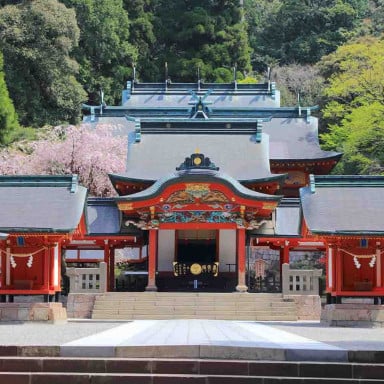
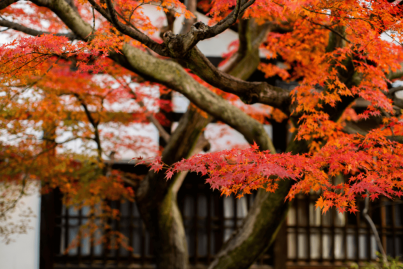
April in Japan is when spring bursts into life across towns, temples, mountains and cities. The cherry blossom trees are the star of the show in Japan during April, along with the soft daylight, spring warmth, and awakening wildlife. April in Japan is a perfect time for a trip built around culture, history and discovery.
With the itinerary’s mix of traditional cities, countryside, temples and mountain scenery, April delivers on contrasts: quiet mornings with blossom‑dusted grounds, afternoons wandering historic lanes, and evenings warmed by soft spring air.
What weather to expect in Japan in April
Expect mild days and cool nights. In many parts of Japan daytime temperatures will reach around 18‑20 °C while evenings may dip to around 9‑11 °C.
Rain is usually light and sporadic rather than heavy. Spring showers now and then, but plenty of dry, clear days perfect for wandering between shrines, gardens or mountain paths… Just keep an umbrella or waterproof jacket handy!
Cities and countryside will feel lively this time of year, but not overheated. Higher altitude or mountain routes may still be cooler, so bring an extra layer or two if your travels take you into the hills.

May: Uzbekistan
Why May is a great time to visit Uzbekistan
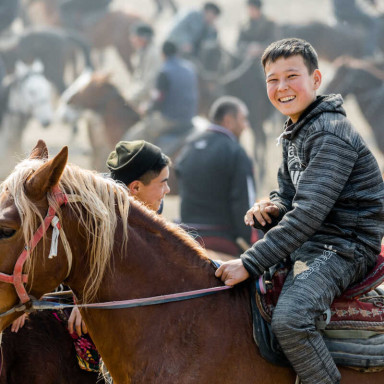
May is the perfect time for a journey through history, culture and wide open landscapes in Uzbekistan. The heat is warm, but not yet intense, so you’ll enjoy wandering the old‑town streets of Samarkand, Bukhara or Khiva without exhaustion. The countryside and mountain areas feel vibrant and awake with greenery and blossoms. Uzbekistan’s blend of city, rural valleys and desert escapes work beautifully in May. Days feel full, and evenings stay comfortable.
This month is especially good for combining city sightseeing, cultural discovery and nature‑based side trips from our itinerary for the cultural tour of Uzbekistan.
What to expect in May
Days are usually warm and sunny with temperatures around 25‑30 °C in many parts of the country, including main cities. Nights tend to stay mild and pleasant. Rain is rare, and generally light, so you can count on good weather for exploring historical sites, wandering bazaars or heading out for day trips in rural or desert areas.

June: Spain
Why June is a great time to visit northern Spain
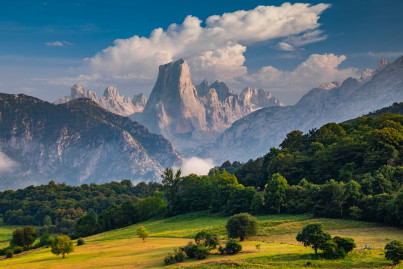
June is a calm, easy month for exploring the historic cities and green foothills of northern Spain. Streets feel lively but not overcrowded and you can enjoy slow mornings in old town squares, peaceful walks through valleys and plenty of time to explore monasteries, viewpoints and family run cafés.
The long days give you space to follow the itinerary without feeling rushed, whether you are wandering through medieval centres, visiting quiet villages or taking in views of rolling countryside.
What to expect in June
In northern and foothill regions such as the Basque Country, Asturias or Cantabria daytime temperatures often reach the low to mid 20s °C, and evenings stay mild.
Many days will be dry and bright, but rain can still be a possibility, so you might want a light waterproof layer if occasional showers or damp mornings appear.
You’ll get generous daylight in Spain in June (often around 15 hours) which means more time for wandering towns, historic sites and scenic footpaths.

July: Uganda
Why July is a great time to visit Uganda
July is the perfect time to take a trip that combines wildlife, forest trekking and mountain scenery. The drier weather makes forest paths and mountain trails easier to manage. That means you can move comfortably from rainforest-treks, to savannah safaris, to alpine climbs, without worrying about mud or closed tracks.
With lowered vegetation, wildlife becomes easier to spot whether you are deep in the jungle searching for gorillas, or out on safari watching elephants, antelopes or primates. The light and atmosphere make every part of the trip in the forest, mountains and plains… They’re more open, alive, and busy with plenty to see.
What to expect - Uganda July weather
This month falls in the long dry season. Trails in jungle parks such as Bwindi Impenetrable National Park and mountain areas like Rwenzori Mountains National Park tend to be firm and far less muddy than in the rainy months, making it an easier and more enjoyable trek.
Temperatures during the day are usually around 22–26 °C, though nights and higher-altitude areas can feel cooler.
Rain is minimal. You may see an occasional brief shower, but it rarely disrupts plans or paths. Plants may be less dense in July, which makes animal sightings easier, and views much more open.

August: Botswana
Why August is a great time to visit Botswana
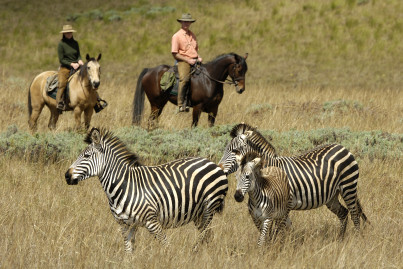
August is a brilliant time to enjoy a safari through the Okavango Delta and the surrounding wilds. With waterways still high, you can glide by mokoro, or boat past reedbeds and islands, while wildlife gathers near water. The bush is mostly dry and sparse which makes spotting animals easier than in lush months. With our itinerary’s mix of river-based safari, horse-riding and game drives the conditions are friendly for both water and land-based adventure.
One of the best things about visiting Botswana is the elephants. Botswana has the largest elephant population in Africa, with around 1 elephant to every 15 people! With less foliage to obscure views, it’s highly likely you’ll come across these gentle giants on your trip.
August in Botswana - weather to expect
This is deep in the dry season. Expect warm, sunny days but still not stifling heat. Daytime temperatures often reach around 27-30 °C, with cool early mornings and evenings, sometimes dipping down to around 8-10 °C.
Rain is virtually non-existent in August in Botswana, so dust is common. Water levels in the Delta remain high, making boat and mokoro trips ideal, with many animals gathering near the rivers, improving your chances of great game sightings.

September: Mongolia
Mongolia in September - What to do
Visiting Mongolia in September means seeing the Sagsai Golden Eagle Festival, experiencing a real tradition come alive. The festival brings together eagle hunters, villages and mountain landscapes… It feels rooted and genuine, rather than staged for tourists and visitors. The atmosphere is peaceful rather than chaotic. Nomad families, horses and golden eagles all gather in the rugged Altai region. It’s more personal and intimate than many busy‑tourist events, so you can connect with the culture at a gentle pace.
September also brings stunning autumn colours in the hills and plains. That adds an extra layer of richness to the eagle‑hunting displays and mountain backdrop.
What weather to expect in Mongolia during September
In much of western Mongolia, daytime temperatures tend to hover around 7 °C to 18 °C. Nights can be cold, and sometimes drop below freezing.
However, something to watch out for is that the weather can shift quickly. Higher altitudes may bring chilly breezes or even early snow, so layers are wise. Skies tend to be clear and dry compared with summer.

October: Bhutan
Why October is a great time to visit Bhutan
October brings a vivid mix of culture, landscape and calm that suits a trip around Thimphu Tshechu and Gangtey Tshechu perfectly. The temples, valleys and mountains feel peaceful yet alive as locals gather for traditional mask dances and ancient rituals. The skies are often clear which means dramatic views of the Himalayas feel real and close; a lovely backdrop for monastery visits, treks or gentle village walks.
This month blends heritage, nature and everyday life in a way that’s easy to enjoy without rushing. Whether you are wandering old dzongs, exploring mountain trails or enjoying the festival atmosphere, October offers a magical but grounded Bhutan experience.
What weather to expect in October in Bhutan
You’ll usually find clear skies and crisp air. Daytime temperatures tend to sit between about 15 and 22 °C in many valley areas, though higher altitude places can be cooler.
Nights and early mornings may feel cold, especially in the hills. Rain is rare and the post‑monsoon season means a dry, stable climate, ideal for trekking and sightseeing.

November: Ethiopia
Why November is a great time to visit Ethiopia
Visiting in November gives you a chance to enjoy the Bale Mountains when the weather makes trekking and wildlife watching easier. The forests, plateaux, and ridgelines of the area feel open and accessible - ideal for spotting the rare animals that live there, including the impressive Ethiopian wolf.
The season also brings clear skies and crisp light that sets off the dramatic high‑altitude scenery. November offers a trip that mixes mountain treks, forest walks and chances of spotting endemic wildlife.
What weather to expect in November
In November, the Bale Mountains sit in the early dry season. Daytime temperatures around the park tend to be cool to mild, typically reaching around 14‑16 °C. Nights and higher altitude areas can be considerably colder.
Chance of rain drops significantly compared with the wet season; rainfall is much lower and many days are clear, giving good conditions for hiking and wildlife watching.

December: Costa Rica
Why December is a great time to visit Costa Rica
December marks the start of the dry season in many parts of Costa Rica, which means it’s a great time for a mix of rainforest, beach and wildlife adventures. Trails, beaches and national parks become more accessible and dependable. With lush forests still fresh from the rainy season, wildlife is active and nature feels vibrant; perfect for a trip combining coastlines, jungles and waves.
It’s also a time when the country starts to gently buzz with holiday spirit... Towns feel welcoming, many coastal and nature‑based lodges begin to restart after rainier months, and you get a warm balance of relaxation and activity across forest, shore and eco‑tour trips.
What weather to expect in December in Costa Rica
On the Pacific side expect warm, sunny days. Daytime temperatures around 24–32 °C, depending on region, with mostly clear skies and little rain. Coastal waters stay warm, making it good for swimming, snorkelling, surfing, or just dipping your feet in.
Higher‑elevation areas such as cloud forests or central valleys are milder. Expect comfortable days around 21–27 °C with cooler mornings and evenings… Handy if you plan hikes or forest treks!