

Plunging the world into temporary darkness, a solar eclipse is a rare astronomical event occurring when the Moon passes directly between the Earth and the Sun. Even before it was understood by science, the phenomena mesmerised onlookers with a mixture of marvel and fear.
One of the oldest documentations is a 3,400-year-old clay tablet from the ancient city of Ugarit (now modern-day Syria), which describes the sun being ‘put to shame’. Crafted 1,600 years earlier, spiral-shaped petroglyphs at the Loughcrew Megalithic Monument in County Meath, Ireland, are believed to be the oldest recording of a solar eclipse.
Once considered to be a niche activity, ‘eclipse hunting’ has made its way into the mainstream, fuelled by postings on social media and a growing desire to fulfil ‘once-in-a-lifetime’ experiences. Although it lasts for only a few minutes, the sight of black disc illuminated by a halo of light now attracts travellers from all over the world.
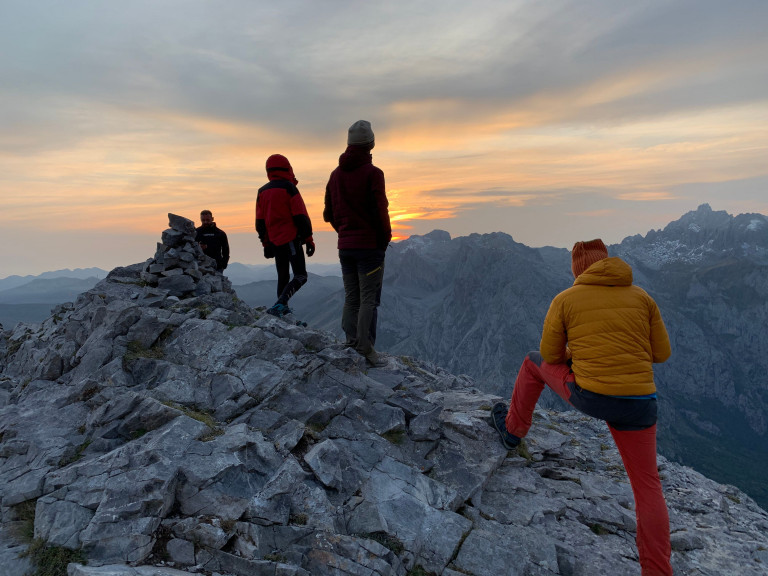
Of the 68 solar eclipses remaining this century, there are 53 still to be viewed. The next highly anticipated event will take place on August 12 – the first above mainland Europe since 1999, it will be largely visible above Spain.
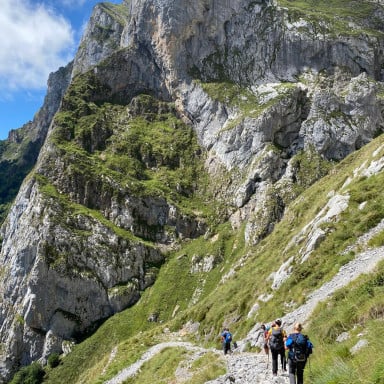
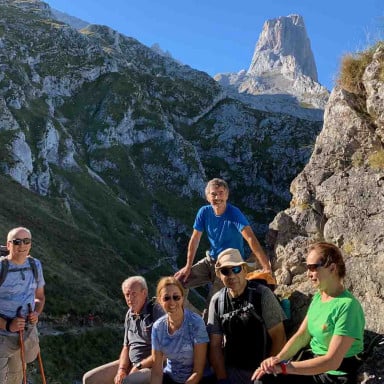
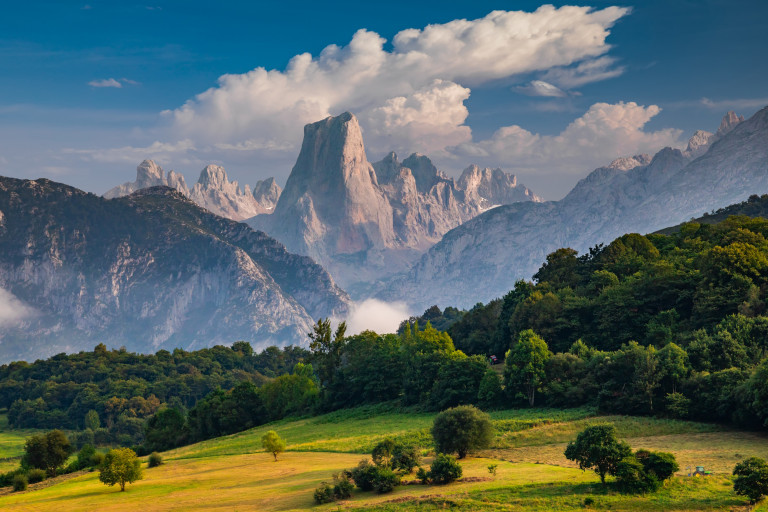
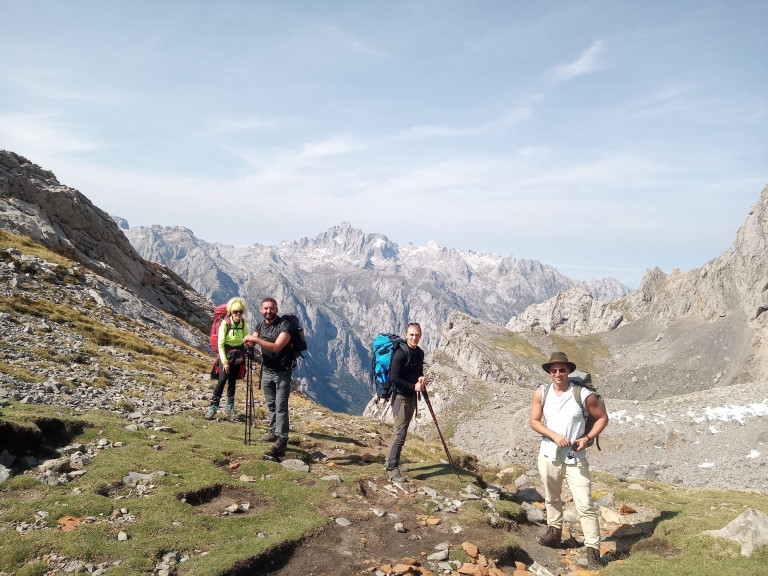
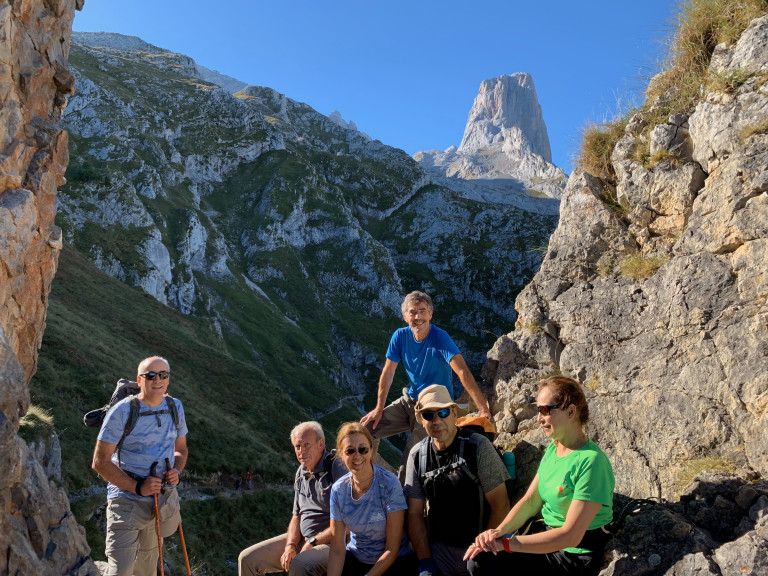
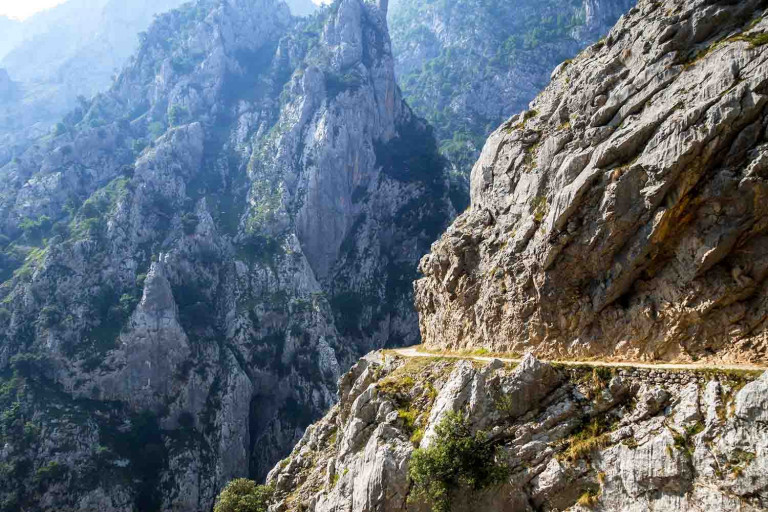
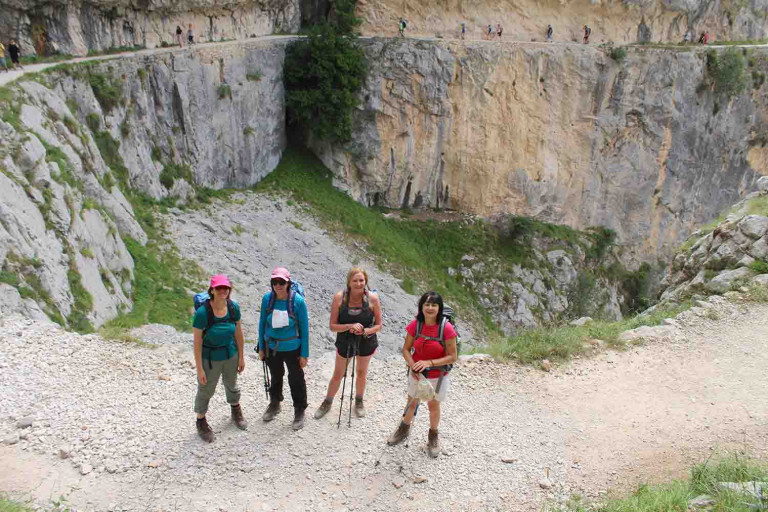
Once of the best places – and certainly the most memorable - to view the solar eclipse is above the Picos de Europa Mountain range which spans the regions of Asturias, Cantabria, Castile and León. Totality will occur roughly around 8.25pm (just before sunset) and is likely to last two minutes.
But there’s much more to discover in the skies above this region. Clear, humidity-free, high-altitude skies promise exceptional stargazing opportunities. Sotres, in the heart of the mountains, is recommended for the Milky Way, while the Mirador de Les Bedules is a favourite spot for astro-photographers. August is also the month to spot the Perseids meteor shower, which can produce up to 100 shooting stars per hour at its peak.
Where else can you see this year’s solar eclipse?
Key Spanish cities include Bilbao, Santander, Valladolid, Burgos, Zaragoza and Valencia.
What time will it happen?
The partial phase starts around 7:30pm, with totality around 8:25pm and will last 1 minute 43 seconds.
Tip: Totality will occur just before sunset, meaning the sun will be very low on the western horizon – around 9˚. Pick a west-facing view that’s not obscured by mountain peaks.