
“When is the best time to go”...
Timing is everything when it comes to booking a holiday. One of the first questions to ask during the planning stages is: “When is the best time to go”.
Weather conditions, cultural festivities, and wildlife migrations are all factors which shape the peak, most popular seasons. Now, a new unexpected consideration is emerging: crowds.
Last year, a YouGov survey revealed that 41% of Americans were concerned about overtourism. Another study recently published by online platform Booking.com reported that 43% of travellers are seeking quieter, less busy destinations.
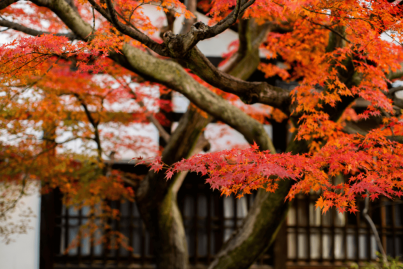
But you don’t have to give up completely on top ranking travel locations. Another way to escape crowds is by visiting during less busy times of the year. The sweet spot is a period nicknamed ‘the shoulder season’ – the transitional months between peak and off-peak.
In their recent Travel Trends 2026 report, British tourism association ABTA identified the rise of ‘super September’, with more people choosing to holiday once the European school holidays have ended.
While the specific months shift depending on your destination—for instance, the Mediterranean shoulder period is May and September/October, while the slightly rainier months of November and March are a good option for Kenya - the underlying principle remains the same.
Booking your holiday during this window promises fewer crowds and lower prices without sacrificing the beauty of the place. Here are a few more reasons why shoulder season travel is on the rise…

Flights are much cheaper
Many airlines use dynamic pricing models that respond directly to real-time searches, meaning prices surge according to demand. Flights are consequently much cheaper once the peak season ends and availability is much better. Anyone using airmiles to purchase flights will also find there are more options available.

Superior hospitality and service
Most hotels, lodges and camps are significantly quieter at the tail ends of the peak season. Booking during this time ensures greater availability of choice, better customer service and the freedom to access more facilities. On a safari, for example, there’s always a chance you may have a vehicle to yourself.

Climates are changing
It’s becoming increasingly difficult to predict weather patterns as climate change becomes a new reality. The distinction between rainy and dry seasons is now so blurred, it’s worth taking a gamble to travel at a different time of year. Extreme heat is also having an impact. Many parts of southern Europe are now considered to be too hot in July and August, pushing bookings later or earlier in the year.

A more authentic cultural experience
Once crowds have dispersed, it’s possible to fully engage with a destination. In cities, it’s much easier to dig into local traditions and discover hidden hangouts. On a nature-based trip, wildlife tends to be calmer and it’s much easier to connect with the beauty of the surrounding environment.

It’s the responsible thing to do
Peak travel puts immense strain on local ecosystems, waste management, and historical monuments. By spreading out economic demand to the shoulder months, you also provide a stable, year-round income flow for local small businesses while reducing the environmental wear-and-tear caused by dense peak crowds.
Shoulder season travel is about much more than affordability - it’s about choosing the right destination at the right time.
These are our recommended destinations, shaped by years of expertise in crafting travel experiences, that work best beyond peak season.

Uganda
In Uganda, conditions are quieter and more exclusive during the shoulder season. Prices are typically lower, including more affordable permits and lodge rates. It’s also a strong period for chimpanzee tracking, with improved chances of sightings on the ground rather than in the canopy. With very few visitors across vast rainforest areas, trekking can feel highly exclusive - in some cases with only a handful of people covering enormous stretches of forest.

Kenya
In Kenya (March–April), the landscape transforms into a lush green expanse during the rainy or “green” season. While showers are more likely, this period offers dramatic scenery, reduced visitor numbers, and more exclusive wildlife viewing experiences. Safari camps often offer cheaper rates and more availability, making it an excellent time for a quieter, more personal safari.

Finland
Finland in September is great for the Northern Lights, you can even sometimes witness them from the end of August. With long daylight hours still, it’s also a brilliant time for hiking, lake exploration, and experiencing the wilderness without peak-season crowds.

Patagonia
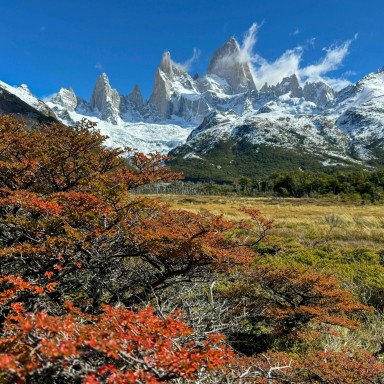
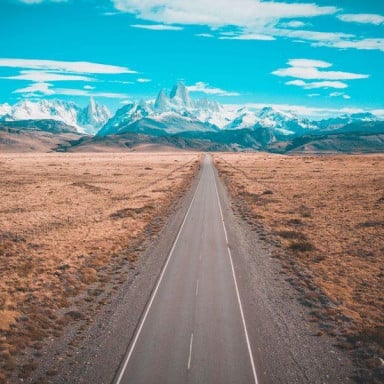
In Torres del Paine, Patagonia (March), the peak winds begin to ease while the summer crowds thin out. This creates some of the best trekking conditions of the year, with quieter trails and uninterrupted views across one of the world’s most iconic landscapes.
Ready to plan your shoulder season escape?
If you’re thinking about travelling during the shoulder season and want to understand which months work best for the destinations you’re interested in, our team can help.