
Throughout history, male explorers have consistently stolen the limelight. But recent data collected from various surveys suggests the tables are tipping, putting women at the forefront of intrepid travel trends.
According to research conducted by the Adventure Travel Trade Association, women make up more than half the bookings with adventure travel companies. The 2025 American
Express Global Travel Trends Report also highlighted a major rise in female solo travel, driven by increased empowerment, confidence, and a desire for self-discovery.
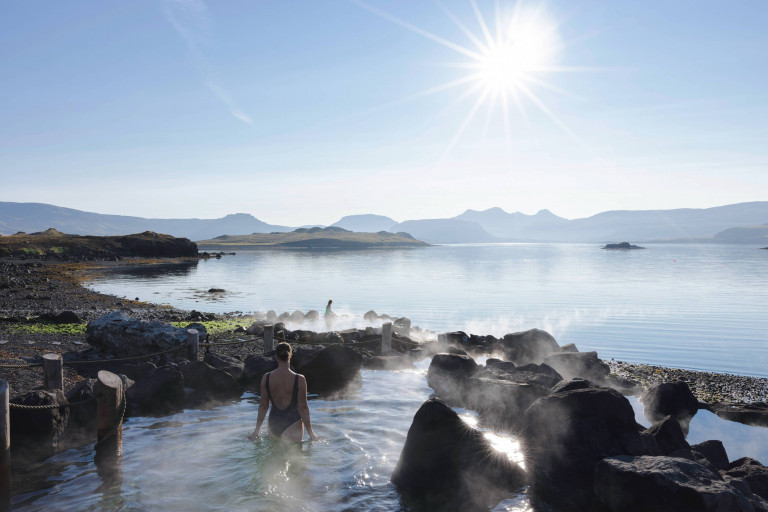
One of YellowWood’s top tips for adventure and nature-loving female solo travellers is Iceland. Ahead of International Women’s Day on March 8, we’ve chosen to spotlight one of the destinations where ladies are currently calling the shots.

A safe haven
Ranked by the World Economic Forum’s Global Gender Gap Index as the most gender equal country for 16 years running, the land of fire and ice has become one of the easiest places for women to travel alone.
According to data collected by the Icelandic Tourist Board in 2023, around 20% of female tourists had chosen to travel alone that year. Perception of safety is credited as one of the main reasons; ranked number one in the Global Peace Index since 2008, Iceland has a remarkably low crime rate.

Historic legacy
But the roots of gender equality extend far deeper. Last year, Iceland celebrated the 50th anniversary of the Women’s Day Off – a groundbreaking protest that sent shockwaves around the globe.
On October 24, 1975, designated by the UN as International Women’s Year, 90% of Icelandic women downed tools for the day, demanding an end to the pay gap and seeking recognition for contributions made by women in the home. The strike was initiated by feminist activists the Red Stockings, who once famously turned up to a beauty pageant with a cow.
Over the last five decades, multiple advances have been made; women currently command almost 50% of seats in the government cabinet and hold prominent state positions. In 1980, single mum and former schoolteacher Vigdís Finnbogadóttir became the world’s first democratically elected female president – a position now held by fellow feminist Halla Tómasdóttir.

A unique phenomenon?
So what makes Iceland such a fair and equal society?
Size is one of the main factors; a population of 400,000 is much easier to mobilise and since political parties rarely win an election outright, the government is typically a coalition.
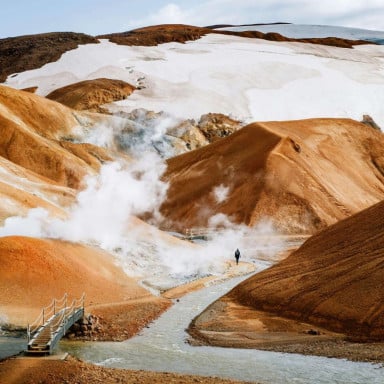
The environment also plays an important role. On an island where there have been 12 eruptions in the last four years, people must work together to survive. What started as a movement to gain more rights for women has since turned into a bigger fight for diversity making Iceland one of the fairest, safest and most enjoyable places to scale mountains, crawl beneath volcanoes or sit in a coffee shop watching daily life unfurl.