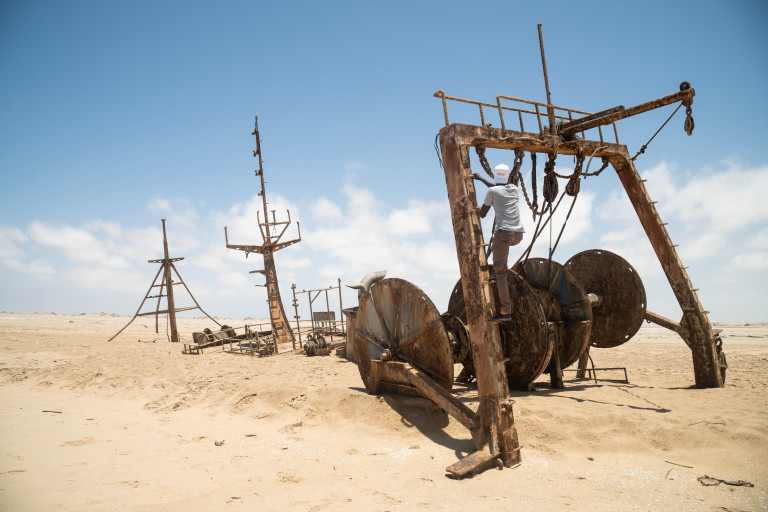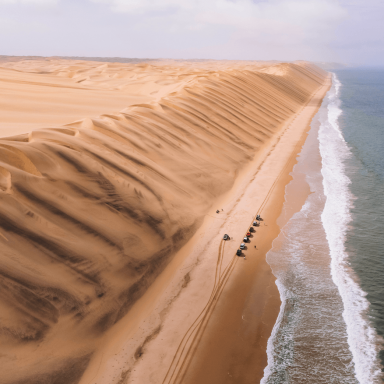

Waking up to the sound of waves washing the shore as wind whistled through the dunes, I experienced those “pinch-me” emotions of exploring somewhere refreshingly new. In the last 25 years working as a travel journalist, I’ve visited multiple destinations but every now and then, there’s a place that genuinely feels like a new discovery.
Earlier this year, I spent a few weeks travelling around Angola – a country I’ve been fascinated by for many years but have always found tricky to visit. Now, after centuries of colonial exploitation, bitter warfare and poverty induced by corruption, the vast coastal nation is ready for a renaissance.
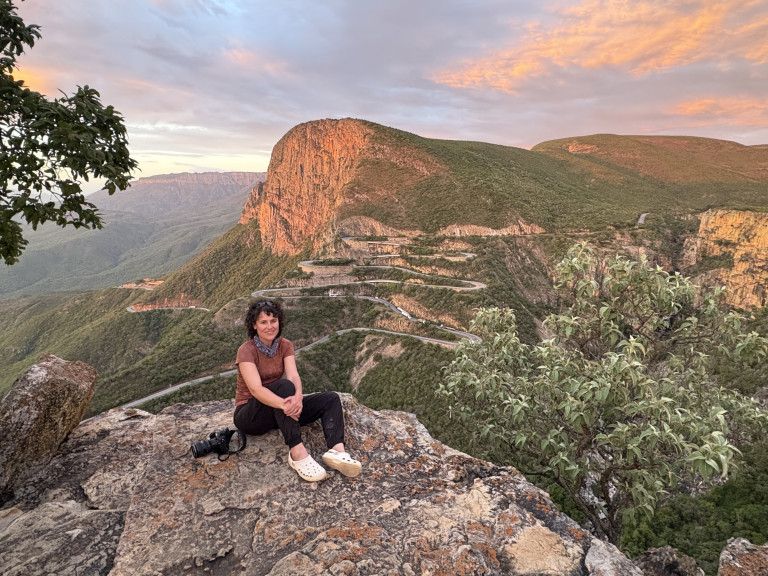
Based on my experience of the best has Angola has to offer, YellowWood has released a new tour, with the first departure planned for October 2026. As proud pioneers eager to support emerging destinations, we are one of the first operators to launch in the destination. Core to our ethos, we’re working with a team of enthusiastic and progressive young local guides, excited to share their country with all of you.
We expect this tour to fill up fast and our team are on had to answer any questions. In the meantime, here’s a bit of background on Africa’s most exciting new travel destination.

Why should I book a holiday to Angola?
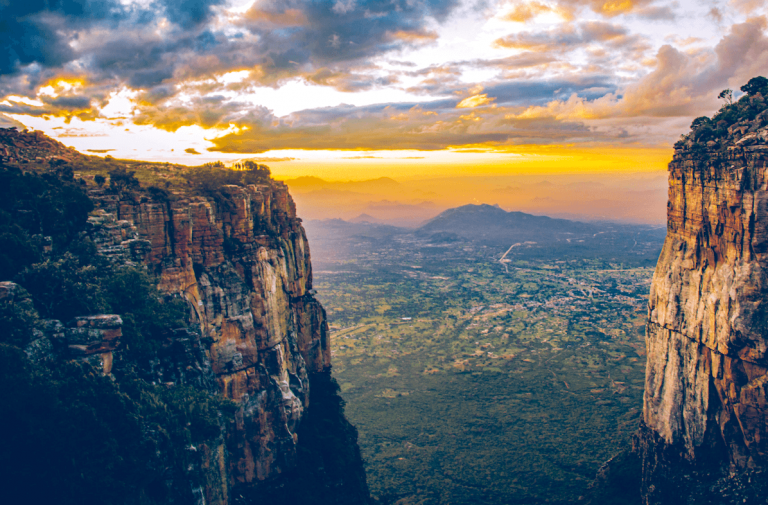
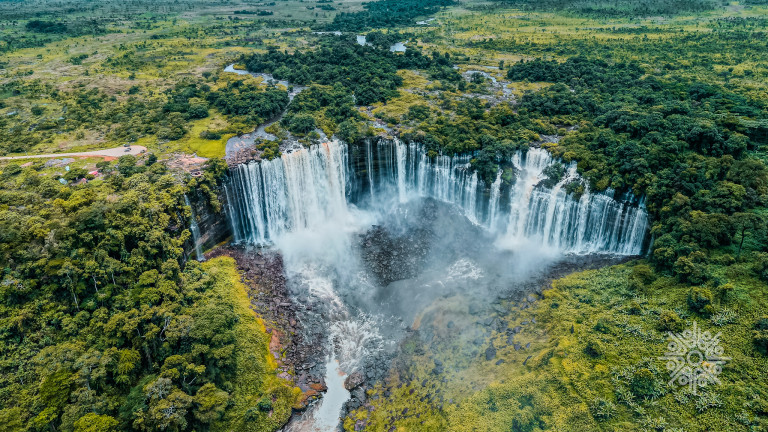
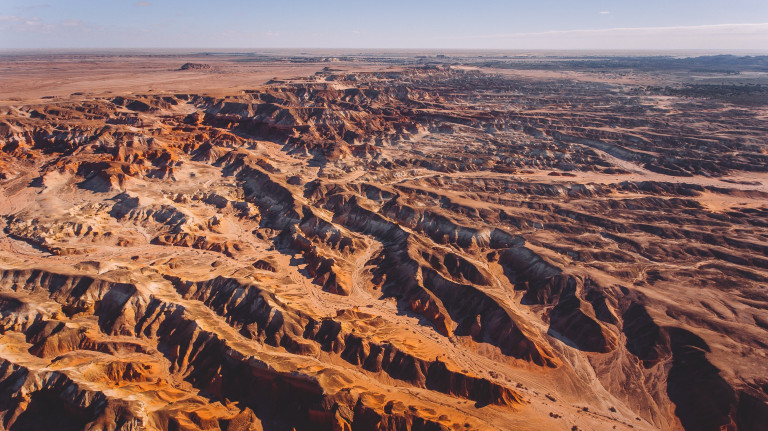
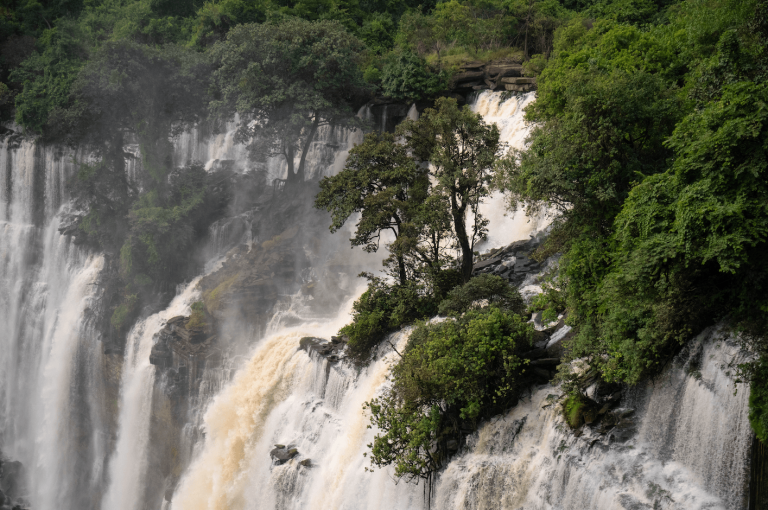
A complex history, cultural diversity and ‘skip-a-heartbeat’ scenery are the biggest drawcards. Once part of the Kongo Kingdom, Angola’s story long predates the arrival of Europeans but it’s present has been heavily shaped by foreign powers. There are tales of cross-dressing warrior queens and protracted battles for independence. Today, ethnic diversity is celebrated with more than 100 distinct ethnic groups and languages. The landscapes are just as varied – ranging from coastal deserts and dense jungle to mountainous high plateaus.

Why has the country been shrouded in secrecy for so long?
Politics – both domestic and foreign – have been the biggest stumbling block. In the past, a cautious government shied away from any external scrutiny. Recovery from a 17-year civil war, which only ended in 2002, has understandably been slow and the presence of landmines made it impossible to visit several regions. A dependency on oil also meant there was very little inclination to focus on tourism. Now that is all changing with a clear government plan to open the destination up to travellers: a new international airport was recently completed outside capital city Luanda and there are plans for new hotels and roadways. Travel is visa-free for 97 countries, including UK and USA, and a new direct flight from capital Luanda to Houston is projected to operate from 2027.

Is it ethical to visit communities?
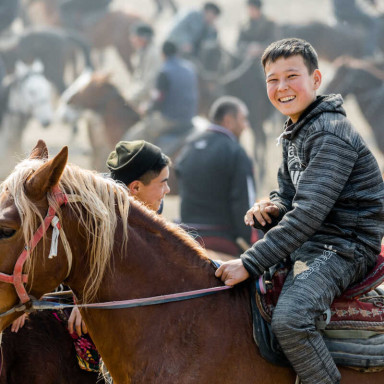
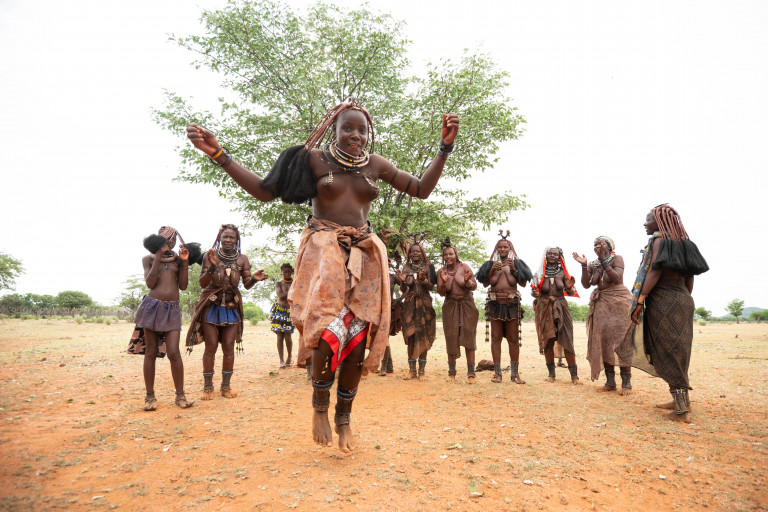
Spending time with Angola’s communities – including the Himba, Mwila and Mucubal – is a privilege and a highlight of our visit. We camp next to communities and in exchange for our stay on their land we pay generously with grains and essential goods. We always seek permission from the soba (chief) for our visits and use interpreters and guides from nearby settlements. When conducted sensitively, tourism can be a force for good.

Is Angola safe for travel?
All areas covered in our tour are safe to travel. We focus largely on the southwestern region. Although clearance of landmines continues in Angola, this is in extremely remote, rural areas in the southeast.

Why should I go now?
Visiting an emerging destination before anyone else is extremely rewarding. Yes, the roads are bumpy and travel is a true adventure, but this is a very precious moment in time. Angolans of all different ethnic origins are extremely humble, warm and welcoming.

Is tourism on the rise in Angola?
Big hotel chains like Hilton and Four Seasons have already announced plans to invest in the country, so tourism is likely to grow. In the safari sphere, well-respected lodge group Natural Selection are developing a project in the southeastern Cuatir Private Concession, while NGO African Parks are due to open a lodge in Iona National Park.